
Soil and Dirt Skip Bins in Sydney
Digging out a garden bed, a pool, a slab or a driveway leaves you with something heavier than people expect. Soil needs its own bin, and the size you can use is set by weight, not by how much space is in the skip.
- Same-day delivery
- Meet or beat any quote
- Sydney wide
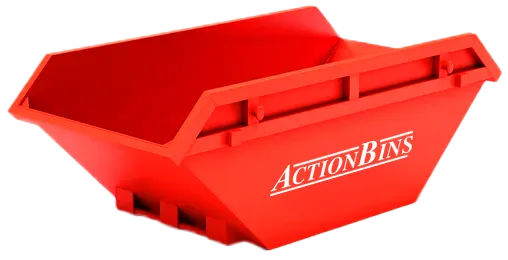
Short answer: yes, you can put soil, dirt, clay, sand and rock in a skip bin, but only in a soil or excavation bin. Keep it free of rubbish, keep turf under 10 per cent, and expect heavy loads to go in a 2m3 to 4m3 bin.
Updated October 2026.
What goes in a soil bin
- Dirt and garden soil
- Clay
- Sand
- Sandstone and natural rock
- Small amounts of turf and roots, under 10 per cent of the load
What does not
- Contaminated soil
- Soil mixed with general rubbish, timber or plastic
- Concrete and bricks (they go in a concrete and rubble bin)
- Anything with asbestos or fibro fragments in it
- Green waste in any real quantity
This is not us being fussy. Clean soil goes to a different facility to mixed waste. When a soil load turns up with rubbish through it, the whole load gets reclassified and charged at the higher rate.
Got a hole to dig? Tell us roughly how much is coming out.
Why weight matters more than size
A 6m3 bin full of cardboard and old furniture might weigh a tonne. The same bin full of wet clay could weigh close to ten. No skip truck lifts that, and no tip wants it arriving that way.
| Bin size | Soil it can hold by volume | Rough weight if full |
|---|---|---|
| 2m3 | 2 cubic metres | 3 to 3.6 tonnes |
| 3m3 | 3 cubic metres | 4.5 to 5.4 tonnes |
| 4m3 | 4 cubic metres | 6 to 7.2 tonnes |
Weights assume 1.5 to 1.8 tonnes per cubic metre of dug soil, which is a fair middle figure. Wet clay is heavier, dry sandy soil is lighter. If you need more than about 4 cubic metres moved, two smaller bins or a swap usually works out better than one big one.
How to work out how much soil you have
Measure the hole, not the pile. Length times width times depth gives you cubic metres. Then add about 20 to 30 per cent, because soil bulks up once it is dug and loosened.
A garden bed 4 metres long, 1 metre wide and 300mm deep is 1.2 cubic metres in the ground and closer to 1.5 once it is out. That is a 2m3 bin.
Getting the bin loaded
Ask for a bin with a door if you are moving soil by wheelbarrow. From 3m3 up most bins have one. Load the heaviest material at the back end, spread it evenly, and do not heap it above the sides. A heaped soil bin cannot be lifted legally.
Related pages
Common questions
Can you put dirt in a skip bin?
Yes, but it needs its own bin. Soil, clay, sand and rock go in a soil or excavation bin. They are not allowed in a general waste or mixed heavy waste bin, and mixing them in usually means an extra charge.
How much soil fits in a skip bin?
By volume, a 2m3 bin holds 2 cubic metres. The real limit is weight. A cubic metre of dug soil weighs roughly 1.5 to 1.8 tonnes, so heavy bins are kept small and some loads only fill to the level line.
Can I put turf or grass roots in a soil bin?
A little. Excavation loads need to be less than 10 per cent turf and vegetation. If you are lifting a whole lawn, tell us when you book so we send the right bin.
What soil can’t go in a skip bin?
Contaminated soil, soil mixed with building rubbish, and anything containing asbestos. If the ground has been used for something industrial or you can see fibro fragments in it, call before you dig.
Is a soil bin cheaper than a general waste bin?
Usually, per cubic metre, yes. Clean soil can often be reused or recycled rather than landfilled. The catch is that you can fit less of it in, because of the weight.
Need a soil bin this week? We deliver across Sydney.